Table of contents
Tabletop role-playing games, or TTRPGs, have been a significant source of stories and inspiration for anime for several decades. The hobby often features people gathering to roll dice, roleplay as their favorite characters and tell stories of epic proportions. While tabletop gaming has played a significant role in Japanese culture for years, that culture has slowly turned back around toward Western audiences. Publishers from the United States and Europe are adapting popular properties into IP-focused TTRPGs that have raised significant amounts through crowdfunding.
The History of TTRPGs in Japan
Tabletop role-playing games have been a significant source of inspiration within fantasy anime for decades. The science fiction TTRPG Traveller was translated into Japanese in 1984, making it the first game to be adapted for Japanese markets. It was quickly followed by Donkey Commando and Enterprise.
Dungeons & Dragons (D&D), one of the world’s most popular fantasy TTRPGs, arrived in Japan through computer RPGs and game books that sold exceptionally well. The Basic Rule Set, which set the standard for D&D rules at the time, was translated into Japanese by Shinwa Co. in 1985. The book eventually sold over 100,000 copies in the first year, and 200,000 by 1991. Local magazines also shared serialized summaries of D&D sessions, making it even more popular. One could easily argue that the Westernized approach to fantasy that one finds common in D&D or Tolkien has become a mainstay of the property.
Moreover, Japan has also created its own series of TTRPGs, including Record of Lodoss War and Tokyo NOVA. The Record of Lodoss War was initially published by Group SNE, a local D&D group who recorded the events of their game in written format. When D&D publisher TSR rejected Group TNE’s desire to turn Record of Lodoss World into an official D&D setting, the group decided to make its own ruleset that became the basis for Sword World. That game (and its various supplements) has sold more than 10 million copies since the original publishing date in 1989
Wizardry, an RPG franchise that historians claim changed how Japan views RPGs, had its own TTRPG published in 1988, although it didn’t get any updates or follow-up books published.
At the same time, anime and manga’s influence has been reciprocated in kind by game designers in the United States. Sailor Moon and other magical girl anime has inspired several TTRPGs, including titles like the rules-lite Girl by Moonlight and the queer-themed Thirsty Sword Lesbians. Gundam-esque mecha settings helped to inspire science fiction TTRPGs like Lancer. Console-based JRPGs (Japanese Role-Playing Games) like Final Fantasy and Dragon Quest inspired games like Isekai-themed Fabula Ultima and anime-inspired BREAK!
TTRPGs in 2025
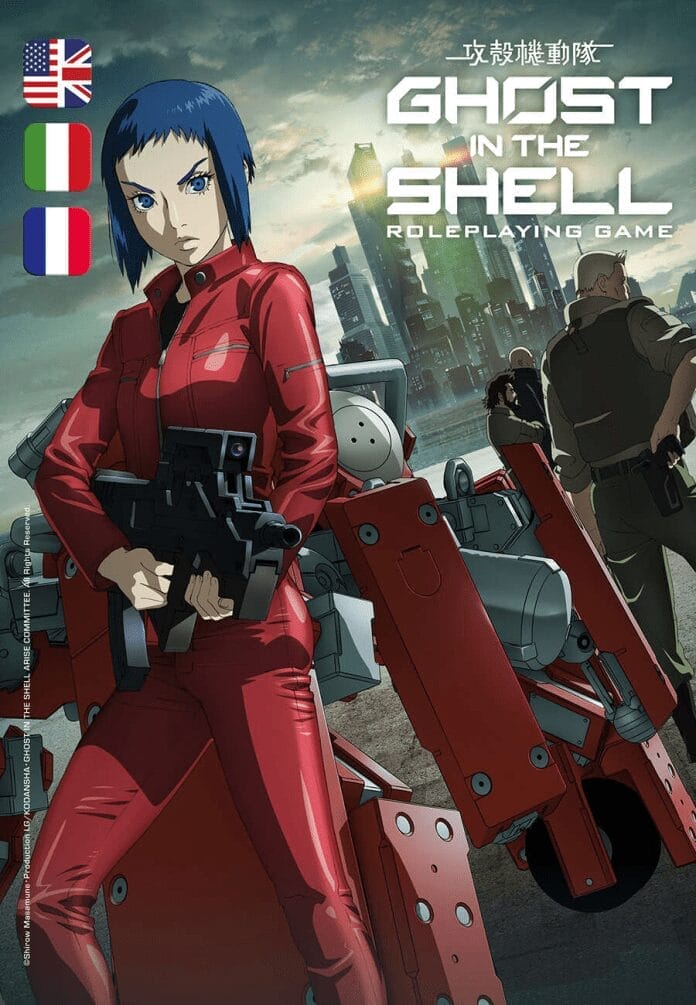
Ghost in the Shell, Masamune Shirow’s cyberpunk media franchise featuring Major Motoko Kusanagi, was recently adapted into a TTRPG by the Italy-based Mana Project Studio. The game focuses primarily on the Arise era of the franchise, while expanding on its lore. It allows players to operate as members of Section 9, the mysterious organization that Kusanagi and her companions work within to protect the city. The game, itself, is built around the Forged in the Dark license, which means that it adapts the rules from Blades in the Dark to fit the unique themes of cyberpunk, hacking, and cyborgs. That includes balancing a player’s “Ghost” (mental abilities) with their “Shell”.
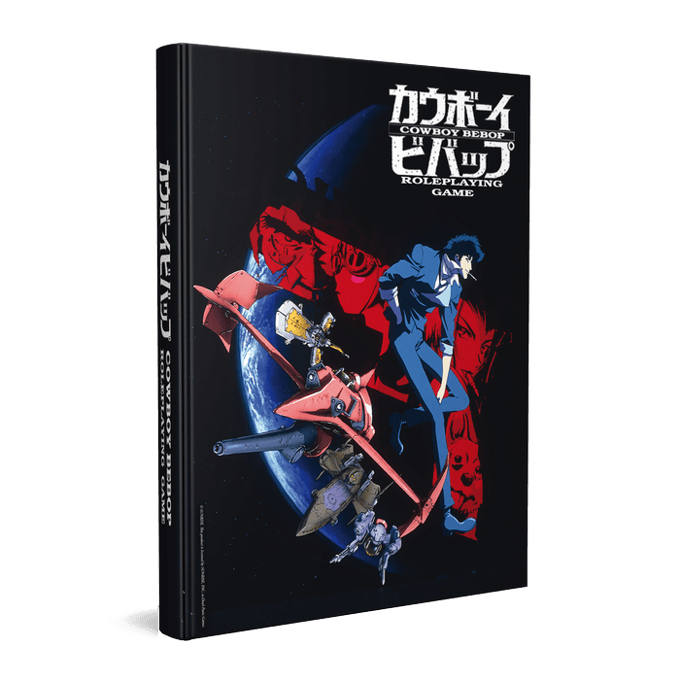
The Mana Project team has worked with other anime properties in the past, most notably Cowboy Bebop. The game, where players are bounty hunters in the Bebop universe, raised nearly €500,000 in 2022 and was published in 2024.
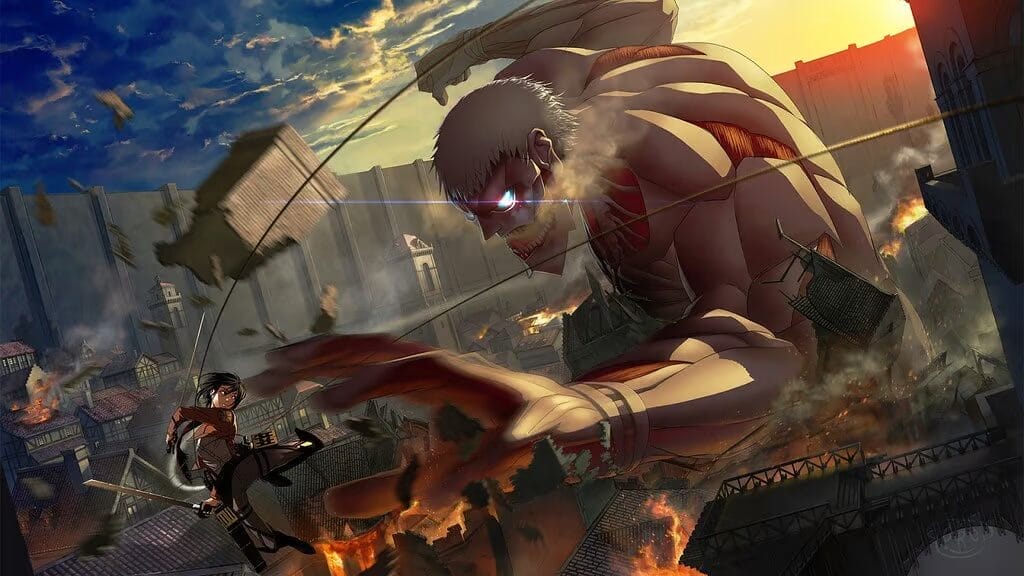
Mana Project isn’t the only team to seek to adapt popular anime properties. Need! Studios, an Italy-based publisher best known for the JRPG-inspired Fabula Ultima, announced this summer that it would publish an Attack on Titan TTRPG. The game will tell the story of the Survey Corps in the five year period between the appearances of the Colossal Titan, according to game designer Matteo Pedroni. Rather than focusing on the epic stories of characters like Eren Yeager, though, it centers on the average Corps member and the fight to survive against the overwhelming threat of the Titans. That includes designing the Titans so that they’re more a “force of nature,” rather than a monster with hit points who can be killed by hitting them enough.
To capture this level of terror and helplessness, the team turned to the Year Zero Engine, a set of rules designed by European game designer Free League and used in games like Alien the RPG and The Walking Dead.
Adapting the property is not an easy task, as it requires extensive collaboration with the IP owners in Japan. The designers themselves often have to obtain extensive permissions from the companies that own the property to ensure fidelity. Attack on Titan’s adaptation, for example, has required Need! And Panini’s teams to send the rules back and forth to ensure they fit the owners’ standards. It has slowed down design progression due to communication barriers and Attack on Titan owner Kodansha’s policies around the matter.
This recent surge in interest in anime IP-inspired TTRPGs aligns with a broader market trend of adapting popular fan properties from various markets. Crowdfunding has enabled publishers of all sizes to take on new properties and adapt them into a playable format that long-time fans of that game might be excited about. These include comics like Invincible, cartoons like The Smurfs and even web games like Neopets. Even Godzilla is being adapted into his own TTRPG (although you don’t appear to be able to play as the Thunder Lizard himself)
The outstanding success of Cowboy Bebop and Ghost in the Shell in raising the necessary funds indicates strong interest, likely partly inspired by the growing interest in anime among American audiences. According to recently collected data, more and more Americans have told marketing research firms that they’ve watched anime regularly, and films like Demon Slayer and My Hero Academia have proven themselves consistent and reliable sources of box office revenue in recent years.
There’s also been a slight surge of Japan-based properties in recent months. Call of Cthulhu, arguably one of the more popular TTRPGs in Asia, recently released two volumes dedicated to a translation of Cthulhu-inspired mythos The King in Yellow within the 1980s version of Japan.

Now, Sword World, a 40-year-old fantasy TTRPG built on Record of Lodoss War‘s setting, is having its latest ruleset translated into English. While the rules have been unofficially translated into English by fans, this new adaptation of the 2.5 rules will make it easier for Western players to try out the game for themselves. The projects’ future could play a significant role in whether Japanese IP owners choose to expand and develop their own games or collaborate with Western publishers.
The project will launch its crowdfunding campaign in May 2026.
Why We’re Seeing a Surge of Anime-Inspired TTRPGs in North America – Chris Hutton